What It Feels Like: Experiencing Panic Attacks
May 2024 • 7 min read
In 2018, I spent almost a year of my life thinking that I had a rare neurological disorder. Spoiler alert – I did not.
Despite how crappy I was feeling, I was lucky to work for a healthcare company where I was surrounded by a group of kind, sympathetic, and well-intentioned clinicians and folks who'd been in the healthcare space for decades. They gave me their own advice and connected me with primary care providers and specialists to try to figure out what the heck was happening. I went to multiple primary care providers, gastroenterologists, cardiologists, neurologists (including one of the top autonomic nervous system specialists in NYC), etc…and every test I took–and trust me, there were MANY–came back "normal".
After months of working with various providers on all sorts of theories from migraine variants, to POTS and autonomic dysfunction, to GERD, to low blood pressure, everyone was stumped. I was absolutely stunned. There clearly had to be something wrong with me. One of the toughest parts of navigating the healthcare system in the US is that there's a lot of waiting in "gray" space. Without test results or specific symptoms pointing to a root cause or diagnosis, I just had to live in uncertainty. Let's just say that I don't particularly thrive in those circumstances.
I felt so scared and defeated, which, if you know me, is absolutely not my M.O. Constantly worrying about when/if I'd be debilitated with some random combination of cardiac, GI, and neurological symptoms was enough to significantly increase my baseline anxiety level and put me in a constant state of hypervigilance about what my body was experiencing. Was I feeling nauseous because of a panic attack, or had I just forgotten to eat lunch? And while I had consulted with a few of my clinical coworkers about what I was going through, most of my friends and colleagues had no idea. How could I possibly explain what was happening to someone else when I couldn't even wrap my head around it?
Months into this chaos, I was catching up with the Chief Clinical Officer at my old company and he asked how I was doing. He and I are friends, so I gave him all of the most recent updates and told him how frustrated I was feeling about the lack of a confirmed diagnosis. He paused for a minute, looked at me, and said "Goldy, it honestly might be panic attacks."
After spending hours upon hours in doctors' offices and paying thousands of dollars for consults and tests, something finally connected the dots. All of the symptoms I'd been experiencing for the past year, regardless how disparate they had seemed, were textbook symptoms of panic attacks. Panic attacks wouldn't show up on a blood test, a tilt table test, or an EKG. They wouldn't respond to salt tablets or migraine medications. They were their own beast. And I finally, FINALLY had an answer. I legitimately cried tears of relief when I got home from work.
Over the past 6 years there have been a lot of ups and downs, but I'm incredibly happy to say that I've gone from having panic attacks almost daily to having maybe one panic attack a quarter. I've experimented with various supplements and finally found a medication that helps with my baseline anxiety without making me feel apathetic. I've developed a set of practices (more on this below) that help me mitigate panic attacks when I feel them coming on, making them much more manageable. And as the frequency of my panic attacks has dwindled, I've gained a newfound sense of control over my mental health and well-being.
It's pretty surreal to think that what I once believed to be a complex physiological puzzle turned out to be something entirely different. But the biggest realization I've had in this journey has been the power of sharing my story. I don't know if it's the fact that talking about mental health has been normalized in a post-COVID world, or maybe it's the reality that up to 11% of people in the United States experience a panic attack each year. Either way, talking about it helps.
Of the hundreds of conversations about my experience with panic attacks, the most powerful ones have been with other people who've had similar lived experiences. That genuine empathy and understanding has impacted me so deeply that it's hard to put into words, and for all of you that made me feel heard, seen, and validated, I am truly grateful. I know it can feel scary, but talking about what you're going through can be one of the most freeing and powerful experiences. As each of you navigate your own life's challenges, remember that you are strong, resilient, and you're never alone ♥️
Helpful practices
- Diaphragmatic breathing – being conscious of your breath in general during a panic attack can help you get out of your mind and into your body, but I've personally noticed a significant positive impact when I make an effort to move my breath from my chest to my diaphragm.
- Labeling emotions and physical sensations – This might feel a little juvenile (I know it did for me at first), but putting a name to how you're feeling can give you a real sense of control and reduce feelings of overwhelm. It also helps me more clearly connect my physical sensations and feelings to common panic attack symptoms. For example: "I am feeling nauseous, my chest is tight, and my heart is racing. These things typically happen for me in a panic attack."
- Physical grounding techniques – There are a ton of different ways to "ground" yourself, but my personal favorites are: going on a slow walk without my phone, cuddling with my dogs, running my hands under cold water, and curling my fingers so that I can feel my nails on my palms.
*Remember, these are the practices that have worked best for me! Everyone's journey is different and the techniques that help people vary, so try these out but don't hesitate to do your own research and talk to mental healthcare providers about additional options. You can also check out our resources links page to explore more resources.
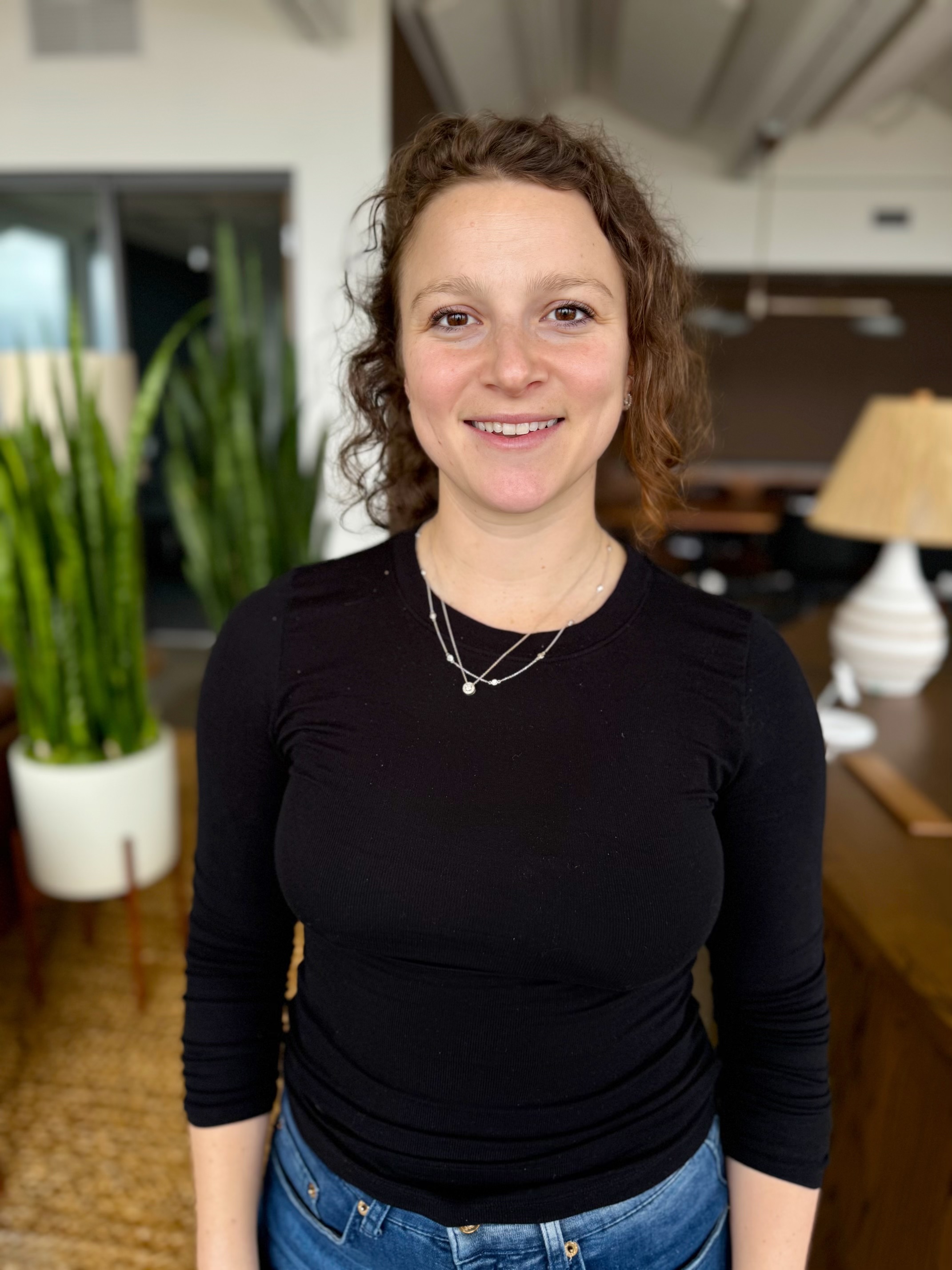
Goldy
Product Expert & Healthcare Specialist